


Simon Illedits is a co-founder of Renty and writes about event technology for the Renty guide. He is responsible for the selection and testing of the entire rental inventory of sound, lighting, and media equipment. His focus is on how to properly size technology and set it up without any prior knowledge.

Simon Illedits is a co-founder of Renty and oversees the product range: which devices are added to the rental inventory, how they are tested and maintained, and how the plug-and-play packages are assembled. His connection to technology predates Renty. As a teenager, he built hi-fi systems and amplifiers, and he has been working as a DJ for over eight years, primarily at private parties and corporate events.
In 2022, he co-founded Renty in Graz with André Deutsch and Jakob Puck. When selecting equipment, he ensures that it remains easy to operate without instruction, as most customers are not technicians but people hosting their own events. Brands like HK Audio, LD Systems, SOUNDBOKS, JBL, and Pioneer DJ are in the inventory precisely because of this selection process.
In the Renty guide, Simon writes about event technology: sizing sound systems based on room size and guest count, speaker placement, lighting atmosphere and fog, projectors and screens, and power supply. He also points out limitations, such as the fact that projectors up to around 5,200 lumens cannot keep up in full daylight.


On a carnival float, it’s not the wattage that counts, but how long the system can play at full volume, as a parade lasts several hours without access to a power outlet. Active battery-powered speakers are the simplest solution for most floats; passive systems are only worth it for larger setups. Here you will find types, sizes, platform placement, and power planning.

As soon as a public road is closed for a festival, you need a special use permit. The road traffic authority or the local public order office is usually responsible, and the application must be submitted well before the date. Here you will find the application process, typical costs, insurance and safety requirements, and a checklist.

You can plan a company event in five steps: goal and budget, date and venue, program, technology, and schedule. Venues and dates should be locked in four to six months in advance, or even earlier for Advent events in large cities. Here you will find all the steps, including a timeline, ideas, technical tips, and a downloadable checklist.

As soon as music is played publicly at your event, GEMA fees apply, whether it's a live band, DJ, or playlist. The deciding factor is the public nature of the event, not the admission fee. This guide explains when fees apply, how tariffs are calculated based on area and admission, and how to register in time to avoid late-filing surcharges.

Graduation ball tickets serve two purposes at once: they are proof of admission and the first announcement of the evening. The ticket should include the date, location, admission time, price, and a note on the dress code. Here you will find design templates, a comparison of printing options, a cost overview, and legal points.
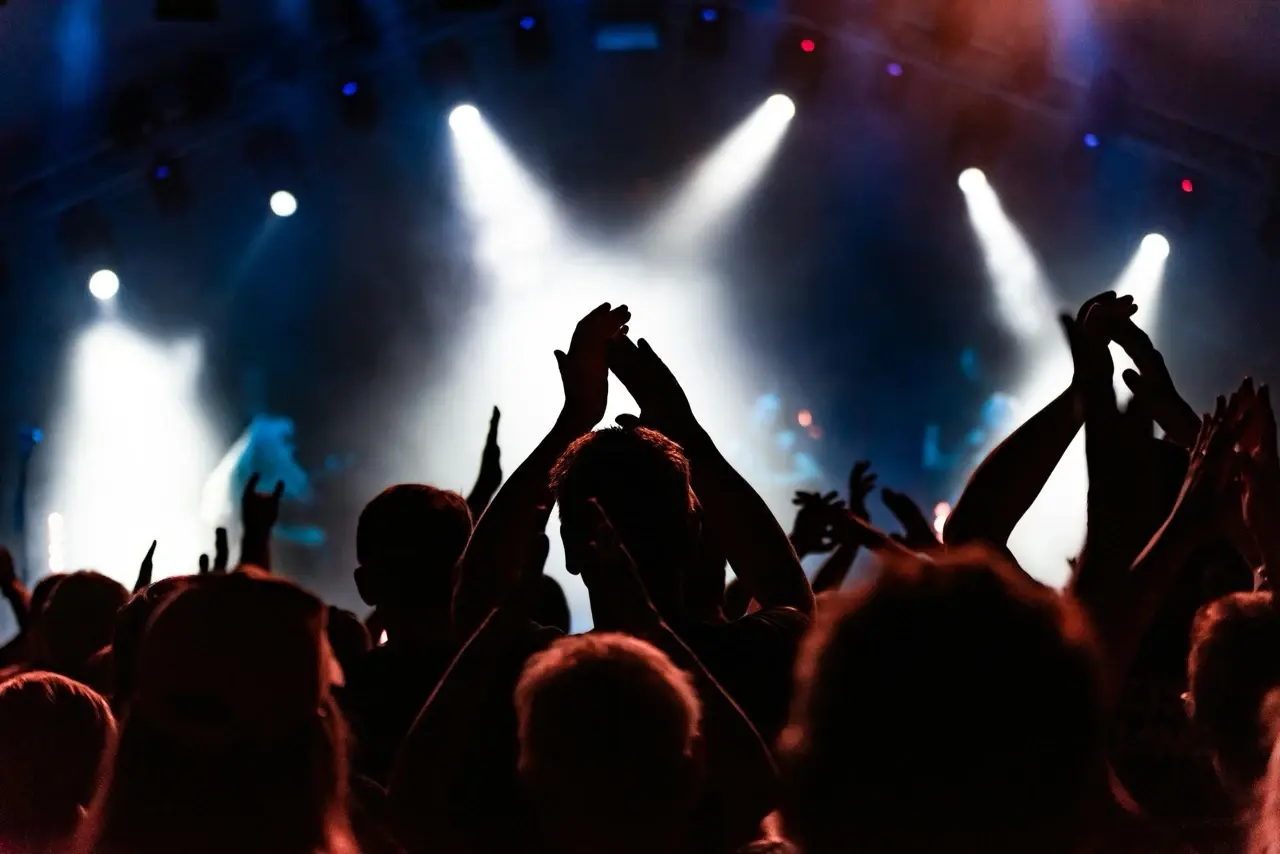
Anyone playing music in public in Austria must deal with AKM, whether it's a live band, a DJ, or a Spotify playlist. This guide explains when AKM fees apply, how tariffs are calculated based on venue size, admission, and event type, and how to register your event at least three days in advance to avoid surcharges and penalties.
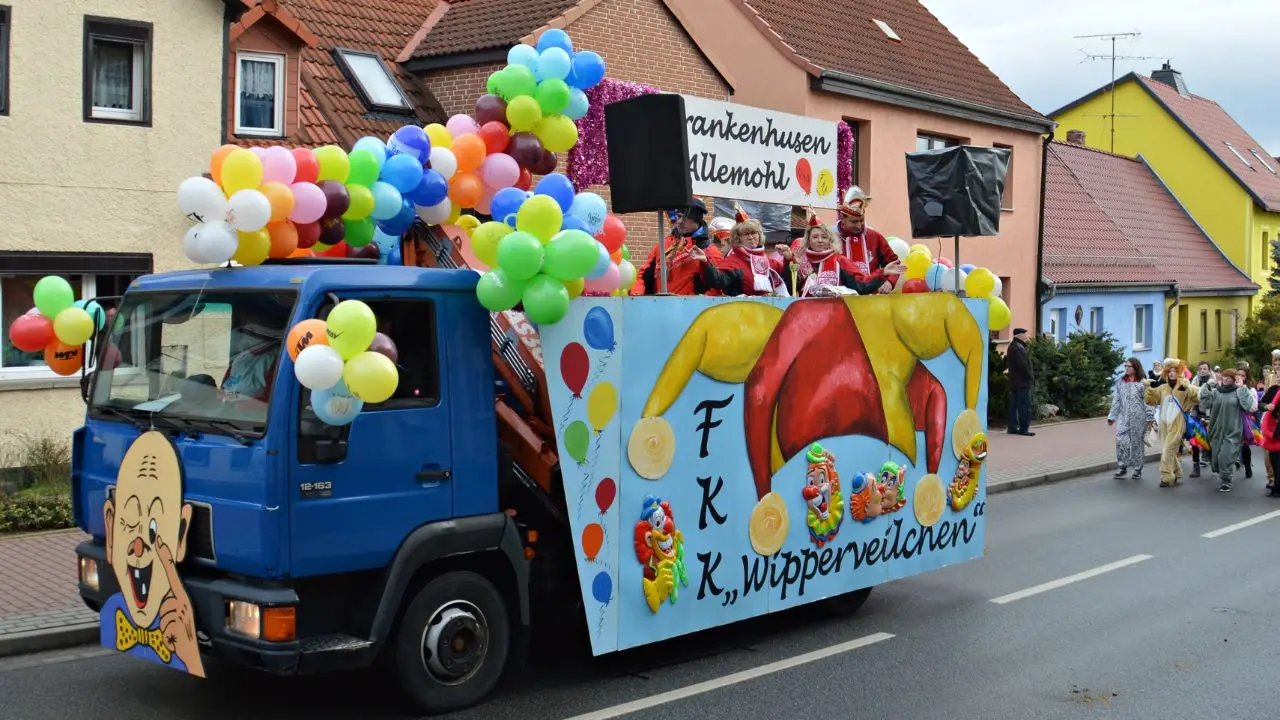
A carnival party stands or falls on two decisions: how to get sound onto the float or into the hall, and where the power comes from. Both need to be sorted out before decor and programming. Here you will find setups for the parade float, lighting concepts for the hall, music selection, and a checklist for the final 48 hours.
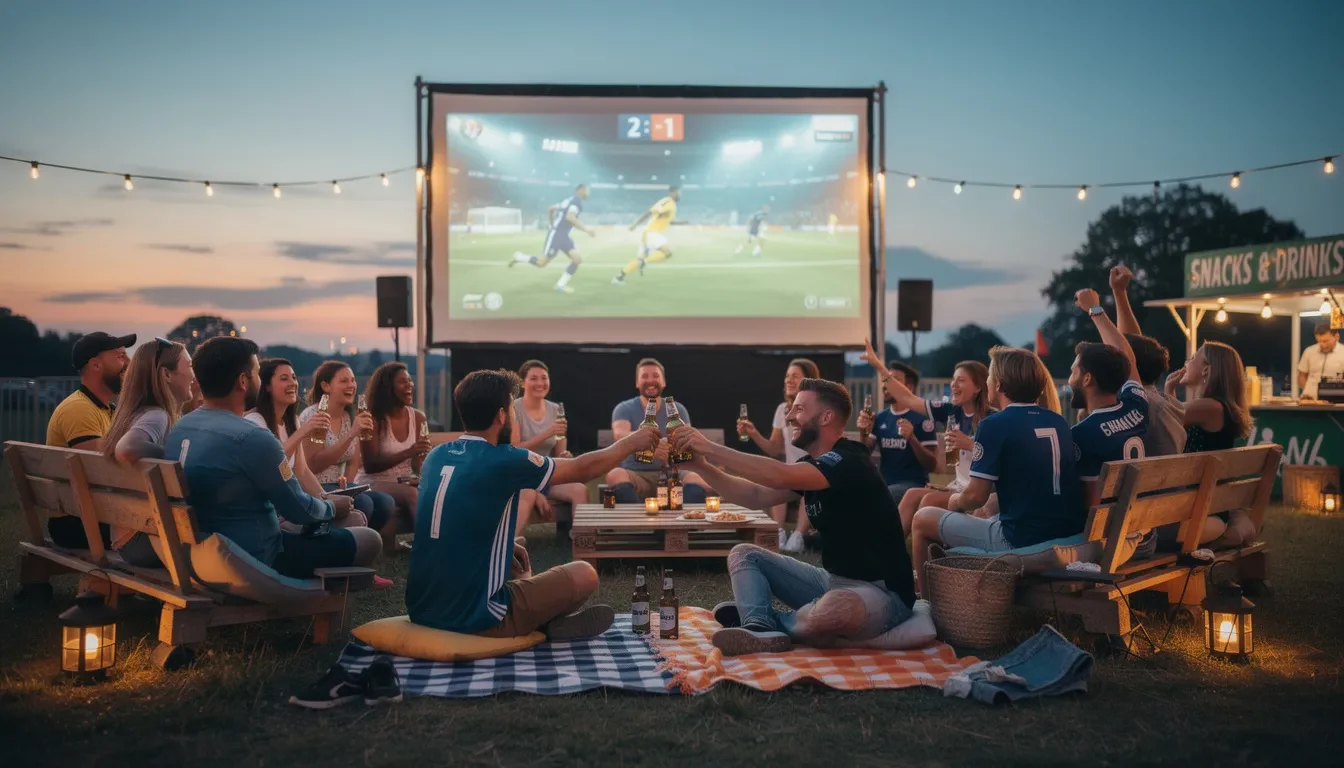
A public viewing event rests on three pillars: legal classification, noise protection, and lag-free transmission. As soon as access is not restricted to personally invited guests, the event is considered public, which triggers licensing requirements and permits. This guide shows which framework suits which guest count, why satellite is preferable to streaming, and how to size your projector, screen, and sound system.
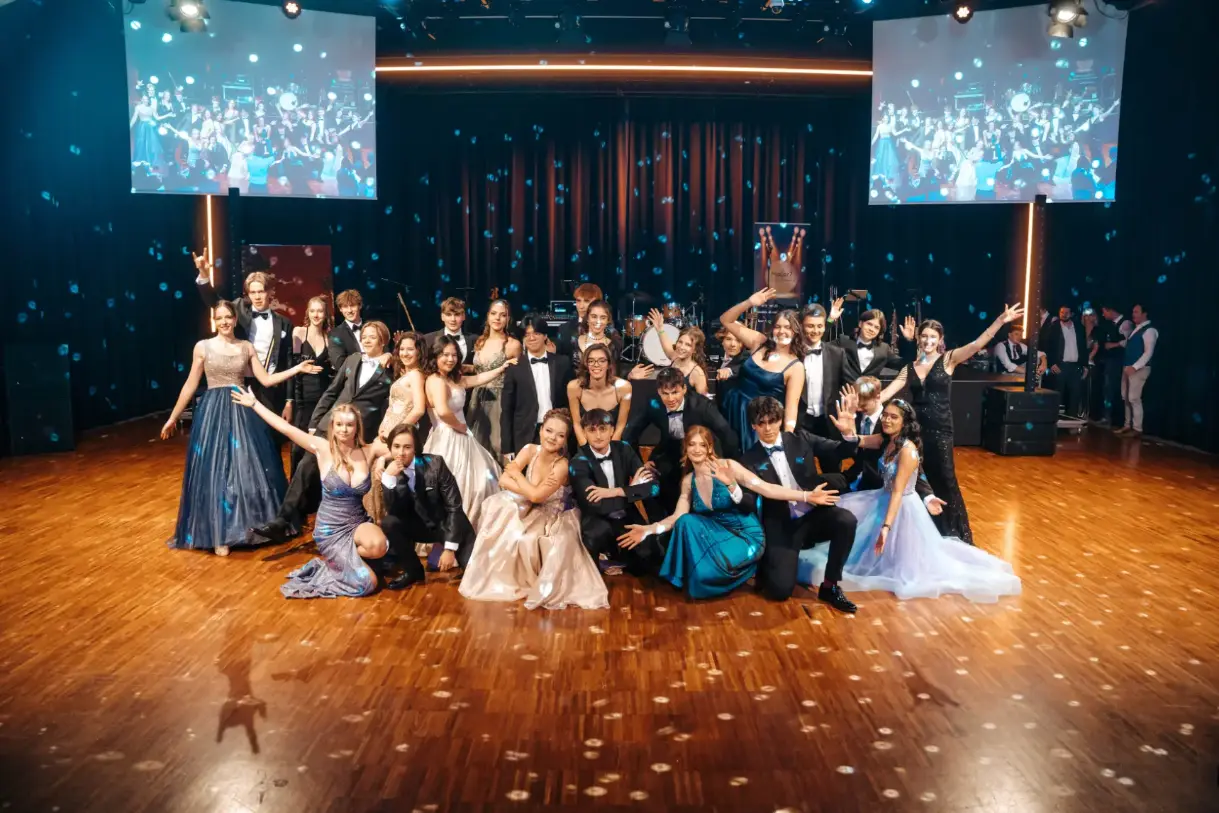
A graduation ball starts with the committee and the date, as venues for the ball season are booked up early. Next come the budget and ticket price, followed by the program and technical requirements. Here you will find all the phases from forming the committee and choosing a venue to sponsorship and the final event schedule.
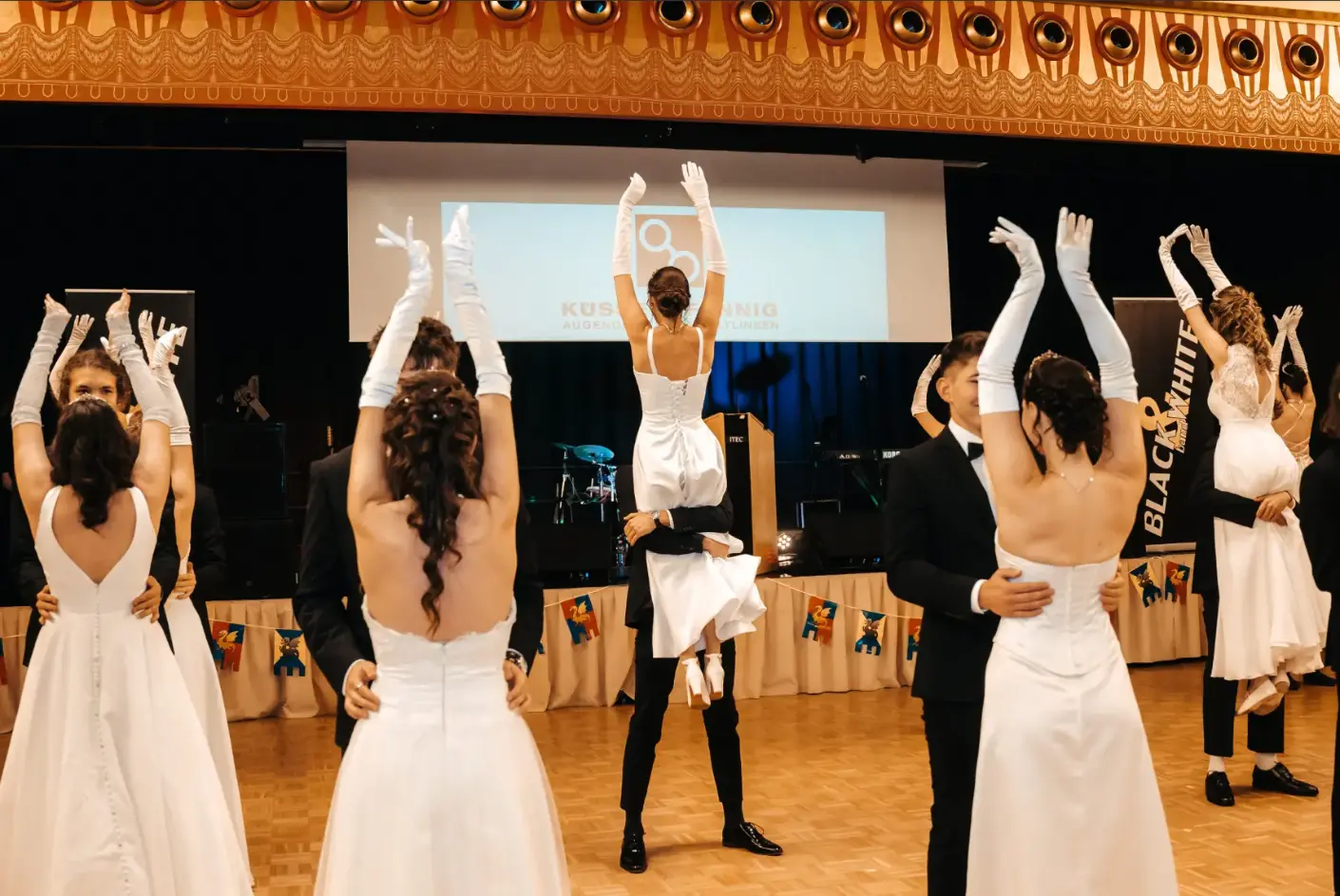
A graduation ball begins with two decisions: date and venue. Both are booked early, and everything else—from budget and program to technology—depends on them. Here, you will find the path from forming the ball committee and budgeting to entertainment, legal matters, and security, step by step.

You plan an event in eight phases: goal and format, budget, timeline, venue and technology, program and marketing, legal and safety, execution, and follow-up. The order is crucial because each phase limits the next. Here you will find all eight steps with checklists, calculators, and templates.
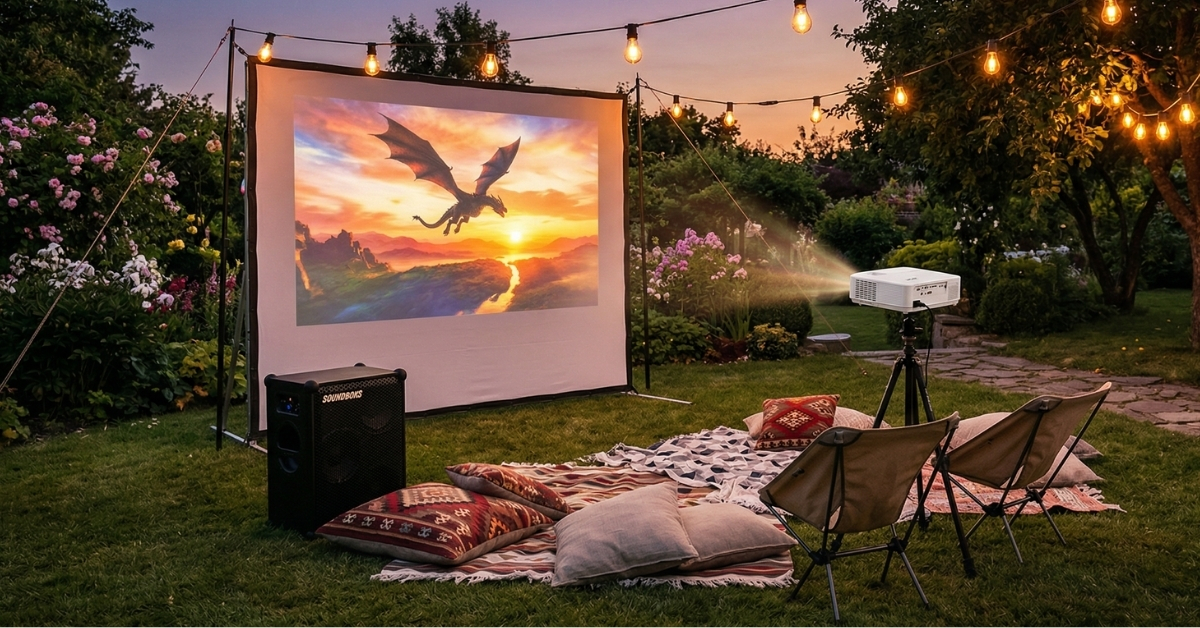
There are three ways to get sound for your outdoor cinema: jack, RCA, or HDMI via a receiver. Bluetooth is the only method that reliably causes lip-sync issues because the transmission delays the audio signal. Here, we compare wiring methods, the causes of lag, and the solutions for every setup.

Wir haben dir eine Mail geschickt, bitte bestätige sie um den Rabattcode zu erhalten.


