

Anyone playing music in public in Austria must deal with AKM, whether it's a live band, a DJ, or a Spotify playlist. This guide explains when AKM fees apply, how tariffs are calculated based on venue size, admission, and event type, and how to register your event at least three days in advance to avoid surcharges and penalties.

AKM is a complex topic that raises many questions for music users. Here are the key points at a glance:
AKM, which stands for "Authors, Composers and Music Publishers," is the Austrian copyright society for the performance and broadcasting rights of musical works. As a collecting society, it collectively manages the rights of its members and ensures they are fairly compensated for the public use of their works.
Founded in Vienna in 1897, the society is one of the oldest collecting societies in Europe. It operates under the Austrian Copyright Act and represents tens of thousands of members today, including composers, lyricists, and music publishers from both Austria and abroad.
Closely linked to AKM is its sister society, Austro Mechana, which has managed mechanical rights since the 1930s. This includes reproduction on sound carriers, downloads, and streaming. In practice, this means: while AKM is responsible for the performance of a piece of music at a concert, Austro Mechana comes into play when that same piece is pressed onto a CD or offered for download.
As a member of international umbrella organizations like CISAC and GESAC, AKM also facilitates cross-border licensing. This means that if you play international music at your event, those rights are also covered through reciprocal agreements with foreign societies.
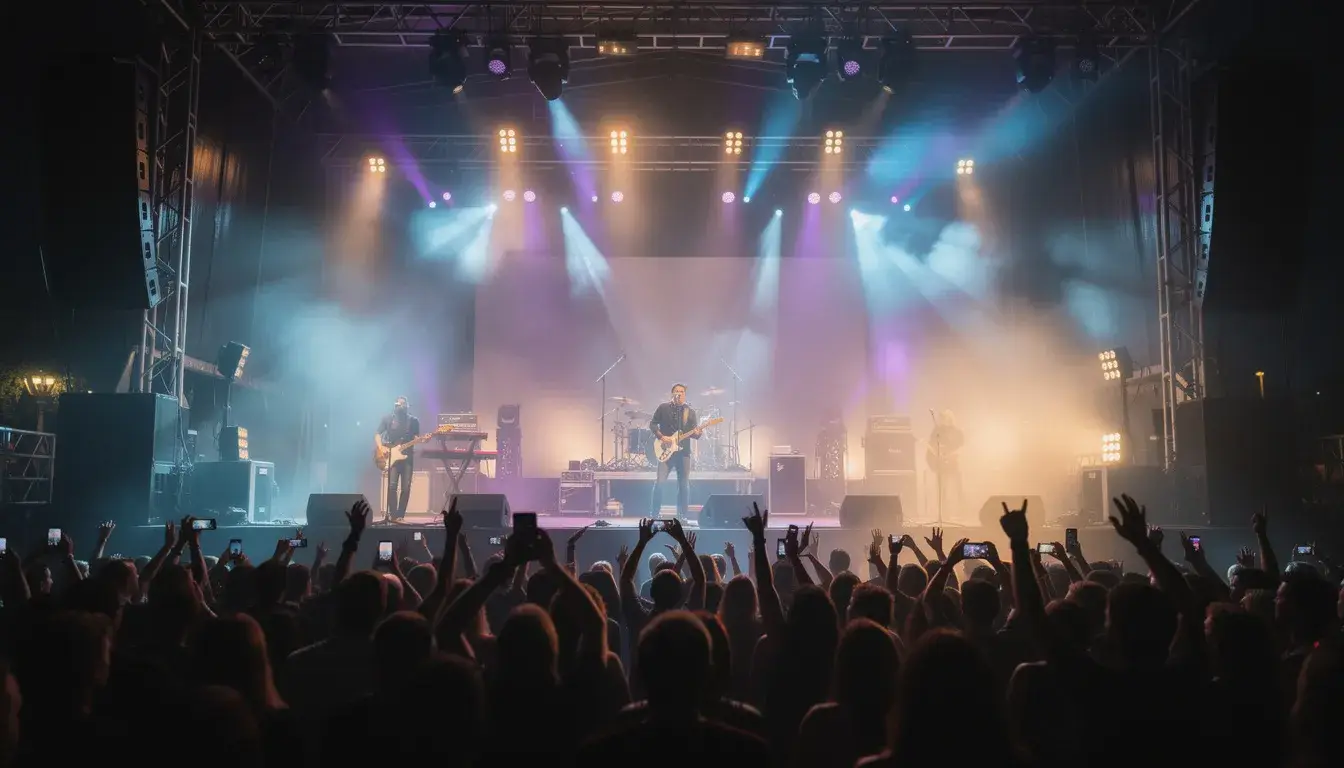
Under Austrian copyright law, a "public performance" occurs when music is made accessible to a larger, changing group of people, extending beyond a purely private setting. The crucial question is: Is the music performance intended for the public?
In Germany, the same logic applies under a different name and with its own tariffs. If you are hosting an event there, you can find the process in the overview of GEMA fees for events.
Typical examples of music use requiring a license:
As an organizer, you are required to register every event featuring music with AKM in advance. This applies regardless of whether you hire a band, book a DJ, or play recorded music.
The registration process at a glance:
Registration should be completed at least 3 days before the event begins. Ideally, you should register earlier so that cost estimates are available in time and you avoid any unpleasant surprises.
Typical occasions that require an AKM registration:
In some cases, third parties handle the registration centrally, such as student unions for university parties or cultural associations for regular event series. Check in advance whether this is the case for your event.

AKM fees are based on published tariffs that are transparent and publicly available. Costs vary depending on the type of usage and are calculated according to a program that takes various factors into account.
A basic distinction is made between:
Factors that influence the fee amount:
The exact fee for your event depends on the venue size, number of visitors, and admission price. The quickest way to calculate this combination is to use the AKM calculator before you submit your registration.
As the organizer, you bear full responsibility for the AKM registration and payment of fees, not the performing artists or musicians. These regulations are clearly anchored in copyright law.
Your specific obligations include:
Consequences of failure to register or providing false information:
AKM conducts random checks. If events are discovered without prior licensing, you may face:
Retroactive registration is also possible, known as post-licensing. However, this involves more effort and higher costs. You should therefore never make the decision to register late lightly.
Recommendation: If you have any questions or uncertainties regarding licensing requirements, contact AKM directly at an early stage or seek legal advice. The AKM service team is available to provide you with information.
It is not just music users who deal with AKM; music creators and publishers can also join the society to have their rights managed collectively. Membership provides the framework for the professional exploitation of one's own musical works.
Eligible for membership are:
The requirements for admission are straightforward: membership is granted upon application and payment of an entrance fee. The deciding factor is not citizenship, but the actual use of the works within the AKM repertoire—in other words, whether your musical works are performed in public, broadcast, or used online.
How royalty accounting works:
Beyond mere rights management, AKM also offers social and cultural support. This includes social funds for members in need, cultural grants for projects, and dedicated subsidiaries for retirement provision. The president of AKM and its committees actively advocate for the interests of music creators in Austria and around the world.

Reporting to AKM and technical planning are more closely linked than they appear: both calculations require the same figure, namely the actual number of attendees. If you estimate this accurately once, you have it for both the tariff and the music systems for club events and corporate parties at the same time.
AKM was founded in Vienna in 1897, making it one of the pioneers among European collecting societies. The original goal was clearly defined: to safeguard the material and moral interests of music creators against concert promoters, theaters, and later, broadcasters.
Key milestones in our history:
Today, AKM represents tens of thousands of members, works with international partners, and remains a central part of Austrian cultural life. The name stands for over 125 years of commitment to the rights of music creators.
Do I have to pay AKM if I only play "GEMA-free" or royalty-free music?
Is a private Spotify or Apple Music subscription sufficient for my business or office?
How can I calculate the approximate AKM costs for my event in advance?
Do clubs and non-profit organizations also have to pay AKM fees?
How do I ensure that the fees I pay actually benefit "my" artists?
Is AKM-free music free of charge in Austria?
Check event equipment, book in 90 seconds, and choose pickup or delivery. Deposit-free and insured throughout Germany and Austria.

Wir haben dir eine Mail geschickt, bitte bestätige sie um den Rabattcode zu erhalten.