

You plan an event in eight phases: goal and format, budget, timeline, venue and technology, program and marketing, legal and safety, execution, and follow-up. The order is crucial because each phase limits the next. Here you will find all eight steps with checklists, calculators, and templates.

Event planning covers all phases from the initial idea to the follow-up—a comprehensive process that combines creative concept development with precise operational execution. Whether it's a corporate summer party, a 10th-anniversary celebration, a professional conference, or a Christmas party: the demands on professional event planning have increased significantly in recent years.
Increased expectations regarding technology, hybrid participation options, and sustainability aspects make organization more complex than ever. Today, participants expect more than just a room with catering. They want a well-thought-out experience.
This article provides a practical roadmap to help you plan and execute an event in a structured way. The tips apply to on-site, online, and hybrid events, from conferences in Berlin to company parties in Vienna.
For larger events, you need 6 to 12 months of lead time, primarily to secure the venue and service providers. The core elements—venue, technology, catering, and program—should be set at least 8 to 12 weeks in advance. Smaller formats without ticket sales or permits require less time, but the venue remains the bottleneck there as well.
Without a clear goal, every subsequent decision regarding location, budget, and program will be aimless. The goal is the compass that guides all following steps.
First, define the main objective:
Define your target audience precisely:
| Target audience | Typical events | Key features |
|---|---|---|
| Internal employees | Team building, Christmas party | Informal setting possible |
| Existing customers | Customer day, anniversary | Focus on appreciation |
| Partners & sponsors | Networking events | Professional atmosphere |
| Industry experts | Conference, convention | High information content |
| General public | Open-air events, trade fairs | Broad appeal required |
The theme and motto provide the common thread for the program, decor, communication, and catering. A well-thought-out event concept ensures brand recognition and emotional connection.
Concrete motto examples:
The title should be repeated on invitations, the landing page, and social media, so choose a name that is easy to remember. Ideally, the motto should be reflected in the colors, music, food selection, and dress code.
Start jotting down initial program outlines here: keynote, panel, workshop slots, networking phase. This creates a framework that can be fleshed out later.
Finding a date is a critical factor that must be addressed early on. Set a realistic timeframe, for example, "second half of the year, ideally a Thursday in October."
Before finalizing, check for:
Define a target number of participants (e.g., 120–150 people) to better calculate locations and catering later. Keep an alternative date in the same month in mind in case the venue or key speakers are unavailable.
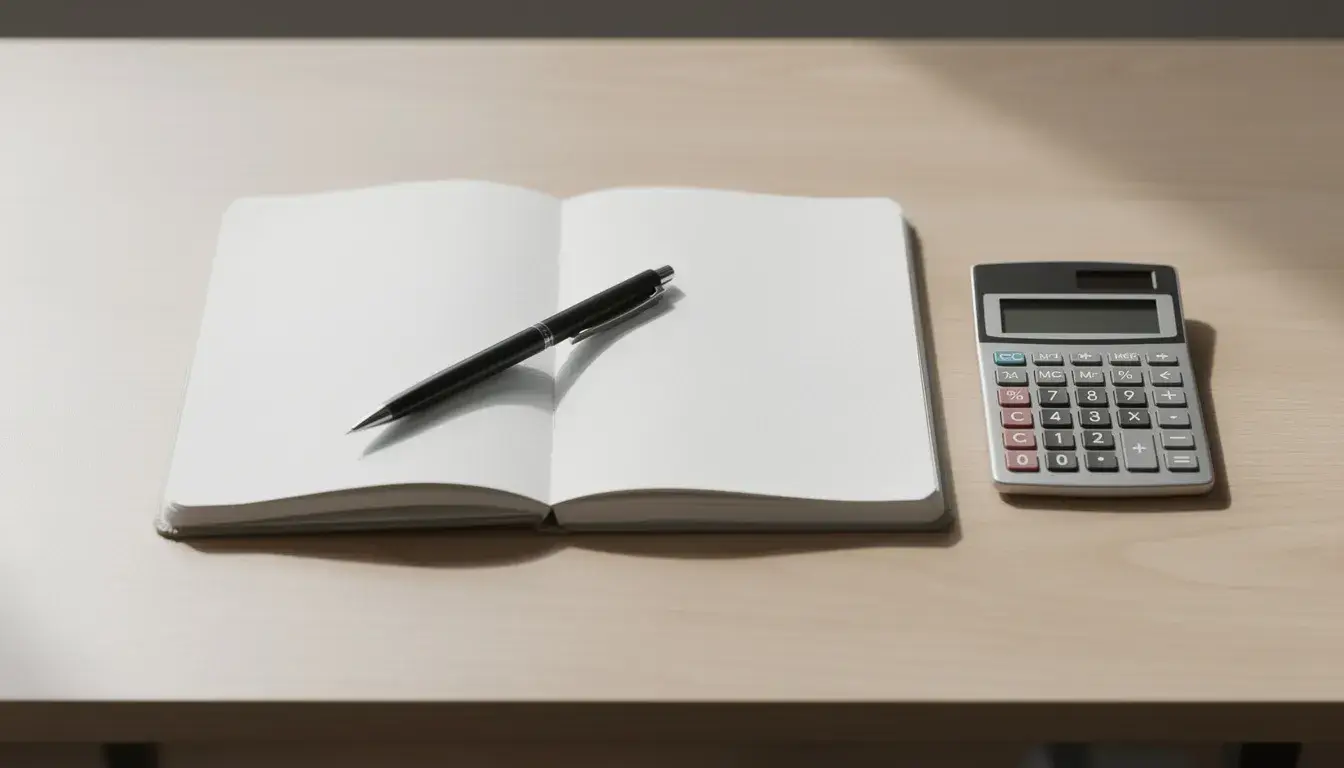
The budget sets the framework for all decisions and should be fixed early on. Clear cost planning prevents unpleasant surprises and enables well-founded decisions.
Recommended budget categories:
| Category | Typical share | Examples |
|---|---|---|
| Venue | 20-30% | Room rental, utilities |
| Technology | 10-20% | Sound, lighting, streaming |
| Catering | 25-35% | Food, drinks, staff |
| Program | 10-15% | Speakers, performers, moderation |
| Marketing | 5-10% | Invitations, website, advertising |
| Staff | 5-10% | Hostesses, security |
| Decor & Equipment | 5-10% | Flowers, branding, furniture |
| Legal | 2-5% | GEMA, AKM, insurance |
| Reserve | 10-15% | Contingency |
External revenue can significantly reduce your budget, especially for professional conferences and public events.
Sponsorship formats with tangible added value:
Develop sponsorship packages with fixed benefits and prices: a Gold package for greater visibility, a Silver package for standard presence. This gives potential sponsors clear options.
Ticket sales are useful for professional congresses and networking events. Pricing tiers (early bird, standard, last minute) create buying incentives and assist with planning. List revenue from ticketing and sponsorship directly in your budget plan to see the actual financial requirements.
These rules of thumb can now be verified against real data. An analysis of 2,176 bookings shows that technical equipment is the last service to be booked, with a median lead time of seven days before the event. The full figures and methodology can be found in the Renty Event Report 2026.
A structured timeline reduces stress and makes dependencies transparent. Organizing an event is a project like any other, with milestones, deadlines, and clear responsibilities.
Plan backwards from the event date:
For an event on October 10th, you should ideally start planning in January. For large-scale events, start even earlier.
Typical milestones at a glance:
| Timeframe | Milestone |
|---|---|
| 9-12 months before | Concept approval, initial venue inquiries |
| 6-9 months before | Venue contract, technical equipment booking |
| 4-6 months before | Finalize program, book speakers |
| 3-4 months before | Start ticket sales / send invitations |
| 2-3 months before | Intensify marketing, finalize catering |
| 4-6 weeks before | Print promotional materials, finalize details |
| 2 weeks before | Finalize attendee list, briefings |
| 1 week before | Tech check, final coordination |
Even smaller events benefit from clear roles. An event manager or planner cannot handle everything alone; clear responsibilities prevent important tasks from falling through the cracks.
Typical roles in the project team:
Document responsibilities in a simple organizational plan. Schedule regular check-ins: every 2 weeks, and weekly starting 8 weeks before the event.
Involve external service providers (caterers, tech companies, security, photographers) in the coordination process early on. Nothing is more frustrating than last-minute surprises caused by a lack of timely information flow.
A visual overview plan (timeline or calendar view) helps to see overall progress. This makes event organization transparent for everyone involved.
Recommended structure for checklists:
Maintain a separate to-do list for each area:
Set clear deadlines: "Sign venue contract by March 15th" instead of vague phrasing. Add checklists for the day itself later on; these should include a tech check, setup plan, and emergency contacts.
The location and infrastructure significantly determine the quality of the event. Choosing the venue is one of the most important decisions in the entire process.
Key criteria for venue selection:
To calculate the optimal space requirements, use our space calculator, which determines the necessary square footage based on the number of guests and the type of event.
Concrete venue examples:
Visit at least two to three locations in person and request photos and floor plans. For hybrid or online events, the focus should be on transmission quality (internet bandwidth, streaming technology).
The date is only officially set once the preferred venue has confirmed. Carefully review the venue's contract and terms and conditions:
For event series (roadshows, workshop series), block multiple dates early on. For open-air events, check for a bad-weather scenario; a tent or alternative location should be ready as a Plan B.
The technology must match the program. Clarify requirements early on.
Typical technical components:
Seating arrangements and their impact:
| Format | Suitable for | Capacity |
|---|---|---|
| Theater-style seating | Presentations, keynotes | Maximum |
| Classroom-style | Workshops, seminars | Medium |
| U-shape | Discussions, training sessions | Small |
| Banquet rounds | Dinner, networking | Medium |
| Cocktail tables | Receptions, after-work events | Flexible |
Room layout checklist: Sketch out the zones for a smooth flow:
Important: Schedule a technical rehearsal 1-2 weeks before the event. Participants: service providers, moderator, and project management.
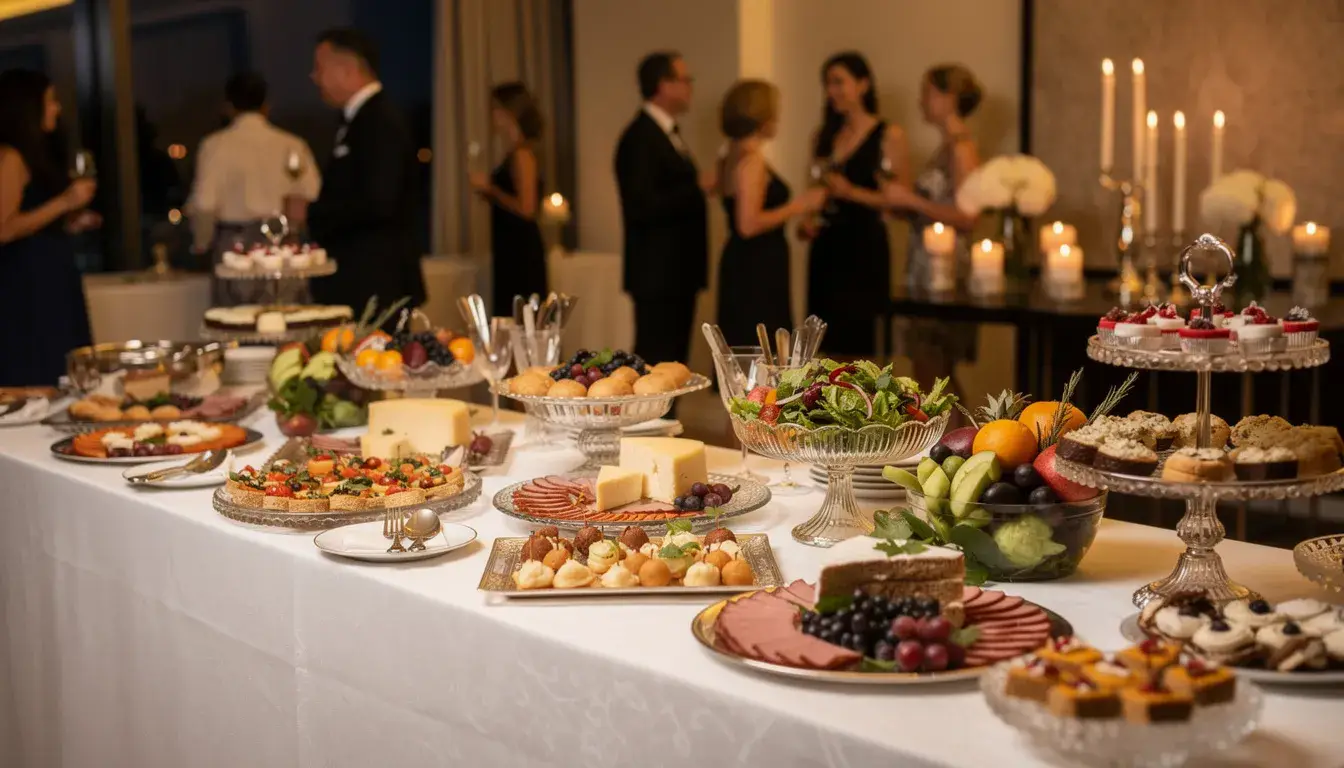
Catering should match the time of day and the event theme. For example: a flying buffet for after-work events, a seated dinner for a gala, or street food stations for a summer party.
Key catering aspects:
Furniture (stage, high tables, lounge furniture) and decor (flowers, lighting concept, branding elements) should reinforce the theme. Book music (DJ, band) or organize playlists with the appropriate licenses well in advance.
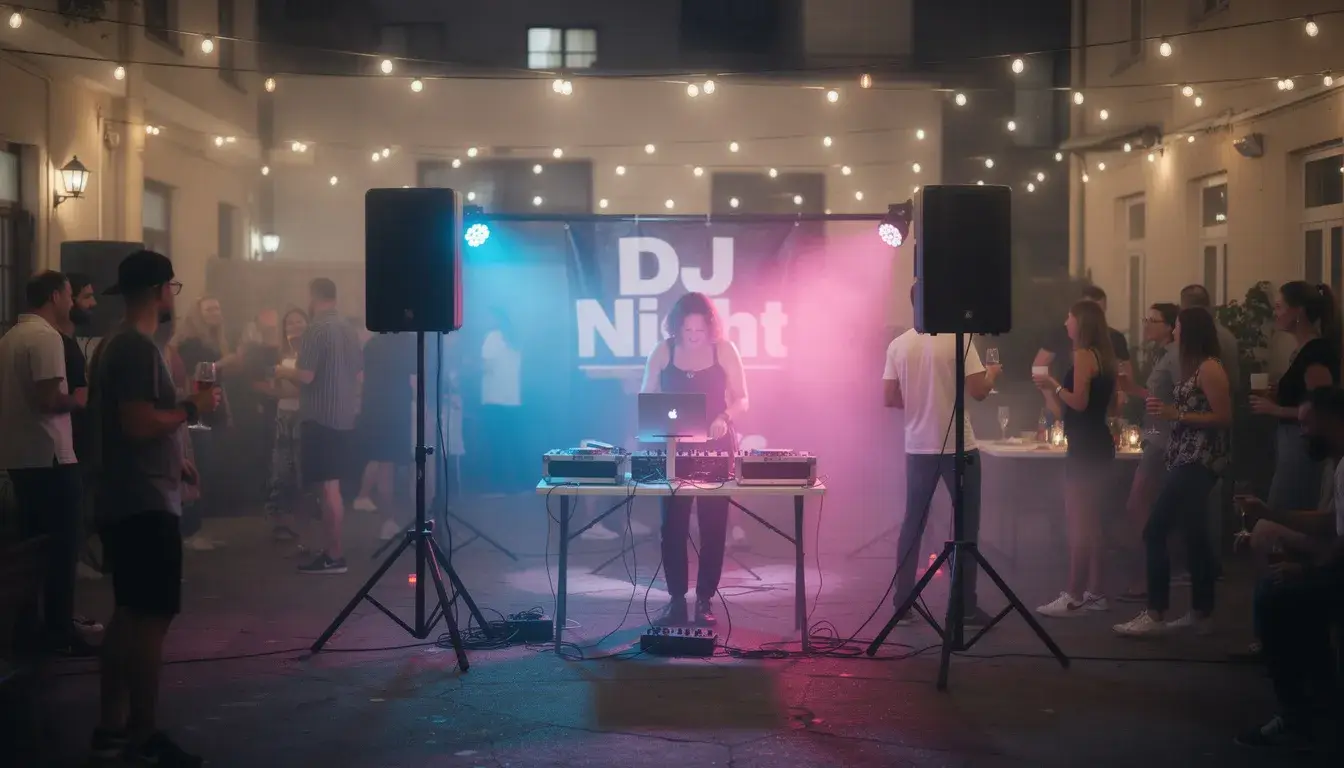
When it comes to technology, it pays to decide based on the number of guests rather than gut feeling. As a rough guide: a compact system is sufficient for up to 50 people; for 100 people or more, you need two separate speakers on the left and right to ensure the sound reaches the back. The sound systems by guest count are tiered exactly accordingly.
A clearly structured program and careful guest communication determine the success of your event. Most importantly, the schedule must be easy to follow and comfortable for the attendees.
Basic framework of a typical daily schedule:
Plan in blocks: "Technical sessions in the morning," "Workshops in the afternoon," "Get-together in the evening." You should plan your schedule realistically, including buffers for delays and transit times. More things can go wrong than you might think.
Start your marketing and invitations early enough to reach your target number of participants in time. For a conference with 200 guests, plan for at least 3 months of lead time for communication.
Create an event website. An event homepage is essential for marketing the event and convincing participants to attend. Event websites can
The choice of speakers significantly influences the appeal of your event. Check:
Example program structure:
| Time | Program item |
|---|---|
| 09:00 | Check-in, coffee |
| 10:00 | Keynote |
| 11:00 | Coffee break |
| 11:30 AM | Panel discussion |
| 12:30 PM | Lunch (buffet) |
| 2:00 PM | Workshops (parallel) |
| 4:00 PM | Networking session |
| 5:00 PM | Wrap-up & closing |
Start by creating a clear guest list: internal attendees, external guests, VIPs, and media representatives. The composition will vary depending on the type of event.
Recommended for public events:
Send invitations via email with a personal touch for key guests. For the general audience, standardized but well-designed newsletters work best.
The marketing mix is tailored to the target audience and budget. Not every channel is suitable for every event.
Effective channels by event type:
| Channel | B2B Conference | Company party | Public Event |
|---|---|---|---|
| Email Newsletter | ✓✓✓ | ✓✓ | ✓ |
| ✓✓✓ | ✓ | ✓✓ | |
| Personal Invitations | ✓✓ | ✓✓✓ | - |
| Website Banners | ✓✓ | - | ✓✓✓ |
| Press Releases | ✓ | - | ✓✓✓ |
| Social Media (IG, FB) | ✓ | ✓ | ✓✓✓ |
Design tip: Use consistent visual elements (event logo, color scheme, key visuals) across all channels to ensure high brand recognition.
You must check legal requirements and safety aspects early on to avoid problems on the day of the event. Defining the requirements in this area protects you from unpleasant surprises.
Permits required depending on the type of event:
Check and take out insurance:
Coordinate your safety concept and emergency plans (evacuation, medical care, fire protection) with the venue and, if necessary, security services. Data protection must be managed in accordance with GDPR, particularly regarding photo and video recordings as well as online registration.
Depending on the season and health situation, voluntary hygiene measures can be useful and are perceived positively by guests.
Concrete measures for greater comfort:
Communicate relevant rules in advance via email and on-site through signage. Plan break durations to avoid crowding at the buffet or cloakroom.
Inform participants about photography and video recording during registration or on-site. Obtain consent (opt-in) and use visual markers (e.g., colored lanyards) if someone does not wish to be photographed.
For music (live acts, background music, playlists), licenses must be checked and registered:
Agree on usage rights for presentations and recorded talks with speakers in advance. Clarify whether products or materials may be shown.
On the day of the event, preparation, coordination, and quick decision-making are crucial. Execution is the moment when all your planning pays off—or reveals any gaps.
Core principles for the event day:
Distribute the schedule to everyone involved: technical staff, catering, security, and moderators. Everyone must know what is happening, when, and who is responsible.

The check-in is the first impression guests have of your event. Organize the entry process professionally:
Put up clearly visible signage for rooms, restrooms, emergency exits, smoking areas, and catering. Trained staff (hostesses, volunteers) should proactively approach guests and assist with any questions.
Reduce queues by adding extra stations or staggering arrival times (e.g., different entry time slots on tickets).
Before doors open, test all technical components: microphones, presentations, video clips, and streaming. Nothing is more embarrassing than technical glitches in front of an audience.
Technical check checklist:
Conduct a short briefing with the moderator, speakers, and technical team before the program begins. Prepare a Plan B for typical risks: spare microphone, backup laptop, alternative room layout.
For hybrid events, online participation must also be monitored: chat, Q&A function, and technical support for remote attendees.
The event manager continuously monitors the situation: room occupancy, catering satisfaction, and session engagement. A good organizer can sense when something isn't right.
Typical adjustments during the event:
Prepare a brief social media plan for the day: live posts, photos of program highlights, and quotes from speakers. An emotional closing moment (words of thanks, a look ahead to the next event) provides a fitting conclusion.
Post-event work doesn't end with the teardown. Evaluation and follow-up are crucial for long-term success and organizational learning.
Immediately after the event (within 48 hours):
Document key metrics:
| Metric | Measurement method |
|---|---|
| Number of attendees (actual vs. target) | Registration data |
| No-show rate | Check-in data |
| Leads generated | CRM system |
| Social media reach | Analytics |
| Budget variance | Billing |
| Attendee satisfaction | Survey |
Store all relevant documents in a central location: contracts, invoices, schedules, presentations, and evaluations. Proper documentation makes planning the next event significantly easier.
Maximize content repurposing:
Successful program elements or formats can be carried over to future events. Create a concise event report that summarizes facts, key metrics, and learnings; this part of the documentation forms the basis for continuous improvement.
How far in advance should I plan an event?
How many people do I need on my team to plan an event?
How do I handle last-minute cancellations from attendees or speakers?
Which simple tools are suitable for my first event plan?
How can I make my event more sustainable?
How can I host an event on a budget?
Check event equipment, book in 90 seconds, and choose pickup or delivery. Deposit-free and insured throughout Germany and Austria.

Wir haben dir eine Mail geschickt, bitte bestätige sie um den Rabattcode zu erhalten.