A rave or open-air event requires three approvals before technology even comes into play: permission from the property owner, registration with the local municipality, and noise control regulations you can live with. Here, the concept, permits, safety, technology, and budget are listed in the order they need to be addressed.

To successfully plan a legal rave or your own open-air event, you must find a suitable location, obtain official permits from the relevant authorities, establish a viable budget, and organize the entire technical infrastructure, from sound systems to self-sufficient power supply. A professionally executed music event also requires a clear concept for safety, sanitary facilities, and logistics. In this guide, you will learn in detail which offices to contact, how to structure your booking, and which event technology is truly necessary to thrill your guests.
Do you want to stop just standing in front of the stage and start building one yourself? Hosting your own open-air event is easier than most people think, but it is also much more involved than simply setting up a sound system in the woods and hitting play. Between a spontaneous idea and a functioning event with 200 or 500 visitors lie exactly these topics: permits, technology, budget, safety, and a lot of logistics. This guide shows you step-by-step how to plan a rave and professionally execute an open-air event. It is the perfect manual for collectives, young organizers, and anyone putting on an event for the first time.
Before you book anything, you need clarity on three things: What kind of event do you want to host, for whom, and how big?
Format: A one-off party in a meadow, a recurring summer open-air, or a multi-day festival with camping? The answer determines everything else: permits, budget, technology, and staffing requirements. For starters, a one-off open-air with 100 to 300 visitors is recommended. That is large enough to create an atmosphere, but small enough to manage the organization with a small team.
Target Audience and Scene: A techno rave appeals to a different audience than a drum-and-bass open-air or a house festival in the park. The target audience determines the music, location, time, and selection of artists. Those who know the local scene and are well-connected have a clear advantage in marketing. Talk to DJs, collectives, and organizers in your region before you get started.
Number of Visitors: The planned number of visitors influences every aspect of planning: space, sanitary facilities, security, beverage supply, and volume. In most municipalities, stricter regulations apply for events with 200 or more people. From 500 people, it becomes significantly more complex in many areas from an administrative perspective. Define your goal realistically and plan smaller rather than too large.
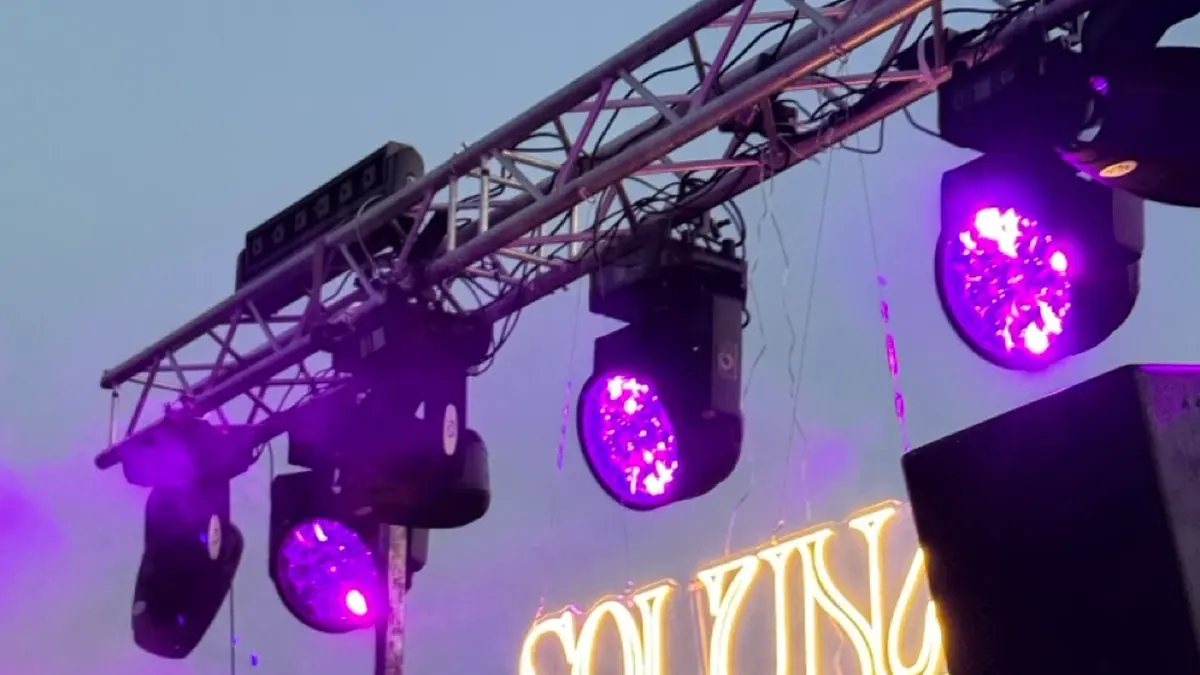
The location will make or break your open-air event. A rave needs space, few immediate neighbors, good accessibility, and a power supply that meets your technical requirements.
Site Criteria: Accessibility via public transport and sufficient parking. Maximum visitor capacity based on surface area. Distance to residential areas (noise protection). Access for emergency vehicles. Water supply and options for sanitary facilities. Level ground without slopes or tripping hazards.
Outdoor areas allow for larger sound installations and lighting concepts that would not be possible in enclosed spaces. This is one of the reasons why open-air events are so popular in the electronic scene. The atmosphere under the open sky cannot be replicated by any club.
Open Air vs. Indoor: Open-air events offer larger capacities and atmospheric advantages, but come with higher weather and permit risks. Indoor events allow for stricter control over acoustics and safety, but offer less flexibility regarding size. For many organizers, a combination is ideal: main floor outside, side floor or chill-out area in a covered space.
No permit, no legal open-air. Requirements vary depending on the municipality and the size of the event. Clarify everything early on so you don't get a cancellation two weeks before the event.
What you need: Special use permit for the location (parks department, public order office). Event notification or assembly venue permit depending on the number of visitors. Business registration if you are selling tickets or serving drinks. Alcohol license (temporary permit under §12 GastG). GEMA registration for public music playback. Event liability insurance. GDPR-compliant data processing for ticket sales.
Noise Protection: Document measurement points and permissible decibel levels according to local noise control regulations. Plan volume profiles and end times. Proactively informing residents reduces complaints and official intervention. Those who inform the neighborhood in advance and adhere to the regulations significantly improve their chances for future permits.
A safety plan is mandatory for open-air events. Authorities require a documented concept before granting approval.
Security and Stewarding: The number of stewards depends on the expected number of attendees and the risk assessment. Professional security for entry points, stage access, and bottlenecks. Clear communication channels between security, the organizer, and emergency services.
Medical Care: On-site medical station, keeping emergency routes clear, and coordination with local emergency services. For open-air events with a dancing audience, measures against overheating and dehydration are particularly relevant. Provide free water stations at multiple points across the venue.
Emergency Planning: Define escape routes and assembly points. Analyze weather risks and prepare contingency plans for heavy rain. Covered DJ booths and technical areas, raised stages, and non-slip walkways reduce risks during bad weather. Communicate real-time weather updates and clear evacuation procedures.
The technology is the heart of every rave. Bad sound ruins the atmosphere faster than rain.
PA and sound reinforcement: Line array systems for even coverage over large areas. Delay lines for deeper audience areas. Planning is based on the terrain profile and audience depth. For an open-air event with 200 to 500 festival-goers, a medium-sized PA system with subwoofers that provides enough punch outdoors is usually sufficient.
Power and technical infrastructure: Power distribution, grounding, and residual current protection in accordance with VDE standards. Plan for redundant technical buffers so that a single failure does not bring the entire event to a standstill. Emergency generators or power stations as a backup.
Stage and backstage: Clearly schedule load-in and load-out. Backstage area with secure access, power, and supplies for artists. The stage setup determines the sightlines and the choice of DJ equipment.
Bring the club sound to the meadow. At Renty, you can get PA systems, DJ equipment, and lighting technology deposit-free for your open-air event. Pioneer CDJs, robust PA systems, and LED floodlights that meet every DJ rider.
For outdoor sound, headroom is more important than peak performance. Without walls, there is no reflection, and a system pushed to its limit will sound flat halfway through the evening. Therefore, plan one size larger than mathematically necessary. For our PA systems with sufficient headroom, the continuous power rating is listed for each.
A realistic budget is the difference between an event that works and one that puts you in debt. List all items transparently: venue rental, technology, artist fees, security, GEMA, official fees, catering, marketing, and a buffer of at least 15 percent.
Revenue: Ticketing is the main source of income. Tiered pricing (early bird, regular, last minute) manages demand and cash flow. Catering and drinks generate additional revenue. Sponsorship can cover a significant portion of costs, especially if you offer local companies a clear return (branding, access to the target group). Merchandise is another channel for recurring events.
Insurance: Event liability insurance is standard. Cancellation insurance for the headliner and electronics protection for the equipment are sensible additions.
Marketing: Combine social media targeting with local partners, niche forums, and influencer collaborations. In the electronic scene, word-of-mouth via collectives and DJ networks often works better than paid advertising. Build a community early on that shares your event. Use headliners to boost reach, local acts for community engagement, and DJs for the after-hours. Additional offerings like art installations or food highlights increase the time guests spend at the event. The choice of artists and the program concept determine who attends and how long they stay.
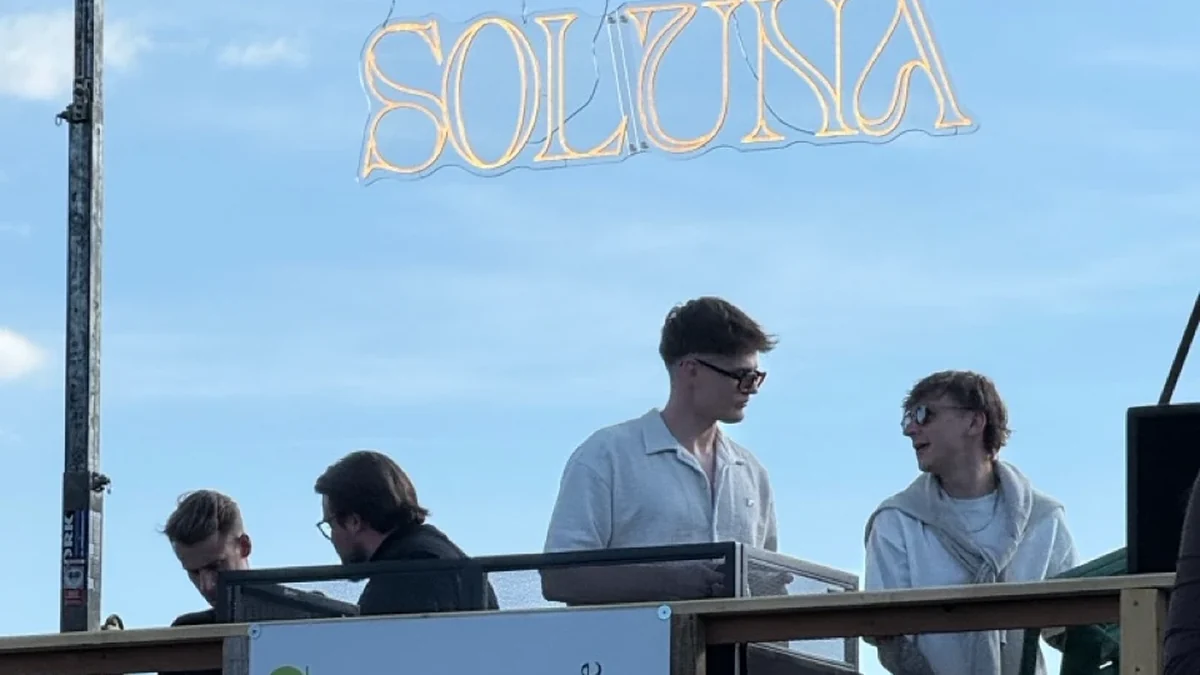
Admission and Operations: Admission checks with QR code tickets reduce queues. Conduct bag checks at the entrance. Strictly schedule delivery windows, setup times, and teardown times to minimize traffic impact on the site. Position catering and beverage stands so they are easily accessible to all visitors.
Sustainability: Waste prevention, reusable systems, and green electricity reduce your ecological footprint. Awareness concepts and support points increase safety and contribute to a positive image. Noise-conscious operating hours improve the long-term feasibility of obtaining permits for future events.
Follow-up: Consolidate visitor feedback, incident statistics, and revenue figures. Review reports from authorities and neighbors. Settle GEMA fees and outstanding invoices on time. The follow-up process determines whether your next open-air event will be easier or more difficult to organize.
Are you planning the logistics alongside the rave? In our guide to festival preparation you will find everything you need to know about camping, equipment, and technology for open-air events.
What permits do I need for an open-air rave?
How many visitors should I plan for at my rave?
What equipment is necessary for an outdoor event?
How can I ensure safety at my rave?
What role does marketing play in party planning?
How can I make my open-air event sustainable?
Check event equipment, book in 90 seconds, and choose pickup or delivery. Deposit-free and insured throughout Germany and Austria.

Wir haben dir eine Mail geschickt, bitte bestätige sie um den Rabattcode zu erhalten.