The festival packing list consists of seven sections: documents and money, camping gear, food and drink, clothing, hygiene, tech, and a few extra items for women. The most commonly forgotten items are rain protection, toilet paper, and a personal power source. The complete list is available as a PDF to print and check off, no registration required.

Nothing ruins the start of a trip faster than a forgotten ticket, a missing rain jacket, or a dead phone on the second day. This checklist goes through your gear section by section, with specific quantities.
This festival checklist consists of seven sections: documents, camping gear, food and drink, clothing, hygiene, tech, and a separate section for items women might need. Most of these items weigh next to nothing. Only the tent, water, and food will add significant weight.
You won't get onto the festival grounds without your ticket and ID. Everything else can be bought on-site if necessary, but these documents cannot.
Keep your documents and cash in a fanny pack on your body. Backpacks are often pushed around in front of the stage, but a bag worn on your front is not. Keep your ID there at all times; without it, you won't be able to get back onto the festival grounds once you leave.
Regarding luggage: expect to carry everything to the campsite in one trip, often over a 15-minute walk. If you're camping, pack into one large backpack plus a bag, not four loose bags. Camping means carrying. Your luggage will be heavier than you think, as water and food make up the bulk of it.
When camping, your tent is your home for three to four days. Your camping gear determines whether you'll be well-rested for the first band or exhausted after a cold night.
Campsite: Stay at least 50 meters away from the portable toilets, avoid the main path, and don't face your tent opening into the wind. If you arrive in the evening, you'll only find spots that violate all three rules. Arriving early is more important than any piece of gear.
Food at the festival grounds can easily cost 15 to 20 euros per day, and the selection is limited. Cooking for yourself saves money and makes you independent. Grills and open flames are banned at many festivals, but a gas stove is allowed almost everywhere. Check the rules before you travel.
Drinks are the heaviest items on the list. You are usually allowed to bring your own drinks to the campsite, but not into the main festival area. Glass bottles are banned almost everywhere. Check the organizer's house rules for the allowed quantities per person.
The weather changes faster than the bands. Pack in layers and prepare for rain, even if the forecast shows sun. The most important rule for festival clothing: it's better to have a few items that dry quickly than a lot of heavy cotton clothing that stays wet for three days after a downpour. Rain boots are the only item worth bringing just in case, as you won't be able to buy them on-site.

The basic equipment is the same for everyone, with ten additional items. Most of these solve the same problem: there are no clean toilets, no running water, and nowhere to buy supplies on the festival grounds.
Leave these at home: hair dryers and straighteners, white clothing and shoes, jewelry, and more than one outfit per day. The most common packing mistake is not bringing too little, but too much clothing that ends up being dragged back home unworn.
For safety: walk across the campsite in pairs at night, have a set meeting point in case phones run out of battery, and never leave open drinks unattended. These aren't panic rules, just standard practices that everyone follows at larger festivals anyway.
The sanitary facilities are notoriously bad. Good hygiene is the reason you'll still feel comfortable on the third day. The most important things weigh almost nothing.
Hygiene also includes a small festival first aid kit. A first aid set with bandages and disinfectant covers the most common issues, plus your own personal medication. If you take medication regularly, pack double the amount, as there is no pharmacy on the festival grounds. A first aid kit weighs 200 grams and can save your weekend. Part of hygiene is also keeping it stored in a dry place.
No power means no phone, and no phone means no meeting point and no way back to your tent. Most people underestimate this on their packing lists. Bring two charging cables, because experience shows that one will inevitably break or go missing at the campsite.
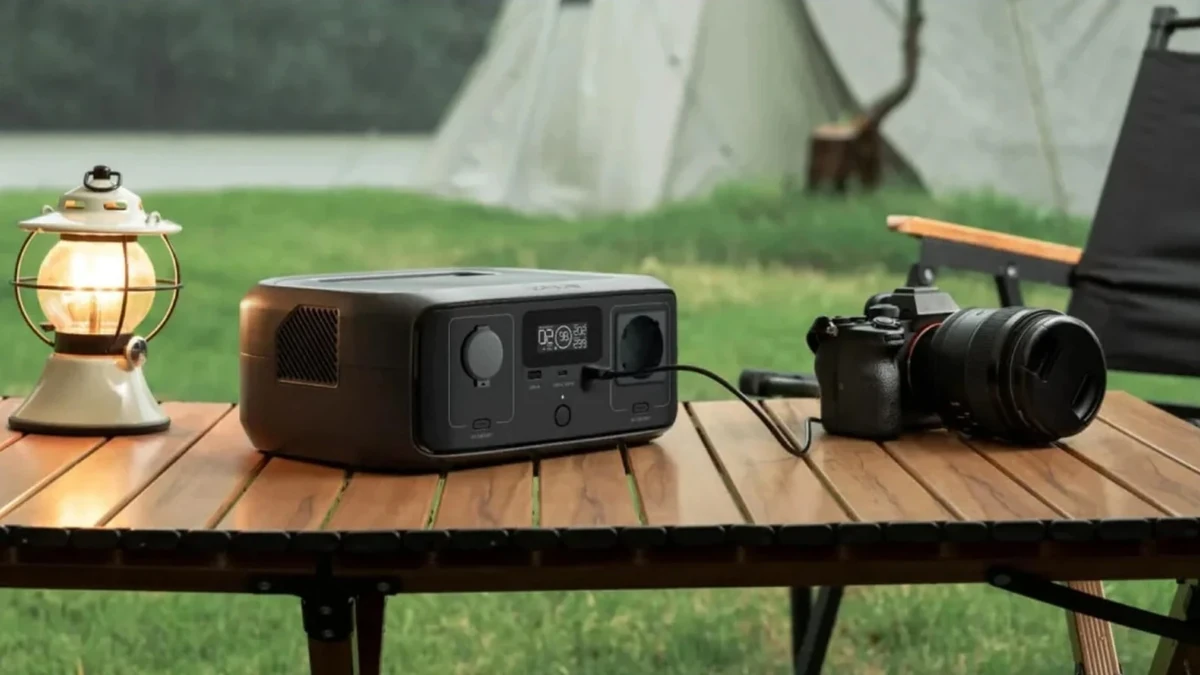
Power banks are fine for your phone, but nothing more. As soon as you have a cooler and multiple devices in your camp, only a power station will last an entire festival day, and generators are prohibited at large festivals. The guide on power supply at festivals calculates which capacity is sufficient. The power stations for camping are sorted by watt-hours.
These tips make the biggest difference on-site, no matter how well you've followed your checklist.
By car: Pack the day before, put heavy items at the bottom, and camping gear on top. The journey usually takes longer than the navigation system predicts.
By train: One large backpack and one bag. Everything must be carryable in one go, as the walk to the campsite is long. Suitcases with wheels don't work on grass.
When packing: Go through the checklist twice; the second time, you'll notice what's missing. Put clothes in trash bags to protect them from rain and dust.
On the first day: Set up your tent, agree on a meeting point, and fully charge your phone while the power bank is fresh. After that, it's all about the music. You can find more on camping, tech, and organization in the guide to festival preparation.
What are the essentials for a festival packing list?
What else do women need at a festival?
What food is recommended for festivals?
What clothing should I pack for a camping festival?
How can I improve hygiene at a festival?
Is there a festival packing list available as a printable PDF?
Check event equipment, book in 90 seconds, and choose pickup or delivery. Deposit-free and insured throughout Germany and Austria.

Wir haben dir eine Mail geschickt, bitte bestätige sie um den Rabattcode zu erhalten.