You don't win sponsors through reach, but through concrete deliverables: on-site visibility, access to the target audience, and post-event reporting. Those who can quantify these in their proposal get the green light. This guide covers finding the right partners, building your offer, reaching out, and measuring success.

To successfully find sponsors for your event, festival, or rave, you must view the request as a strategic business transaction: companies will only invest money or in-kind contributions in your project if you offer them measurable value, such as logo placement, access to a specific target audience, or direct on-site brand activation. Successful sponsorship acquisition requires a targeted approach to suitable regional companies or industry partners, supported by a professional sponsorship deck that defines clear service packages. In this guide, you will learn step-by-step how to identify potential backers, how to make a compelling pitch, and how to turn initial cold outreach into long-term partnerships.
Are you planning an event or party and your budget isn't enough to cover it? Sponsorship is the most effective way to bridge that exact gap. However, finding sponsors means much more than sending a generic email to the nearest beverage supplier. This article is aimed at clubs, collectives, and independent organizers, providing the exact strategies you need to secure funding or valuable in-kind support for your project on a limited budget.
Sponsorship is not charity. It is a strategic business transaction. Companies use sponsorship to present their brand to a relevant target audience. In exchange for their investment, sponsors expect measurable returns: visibility, access to the target audience, and a return on investment. A partnership only works if both sides benefit.
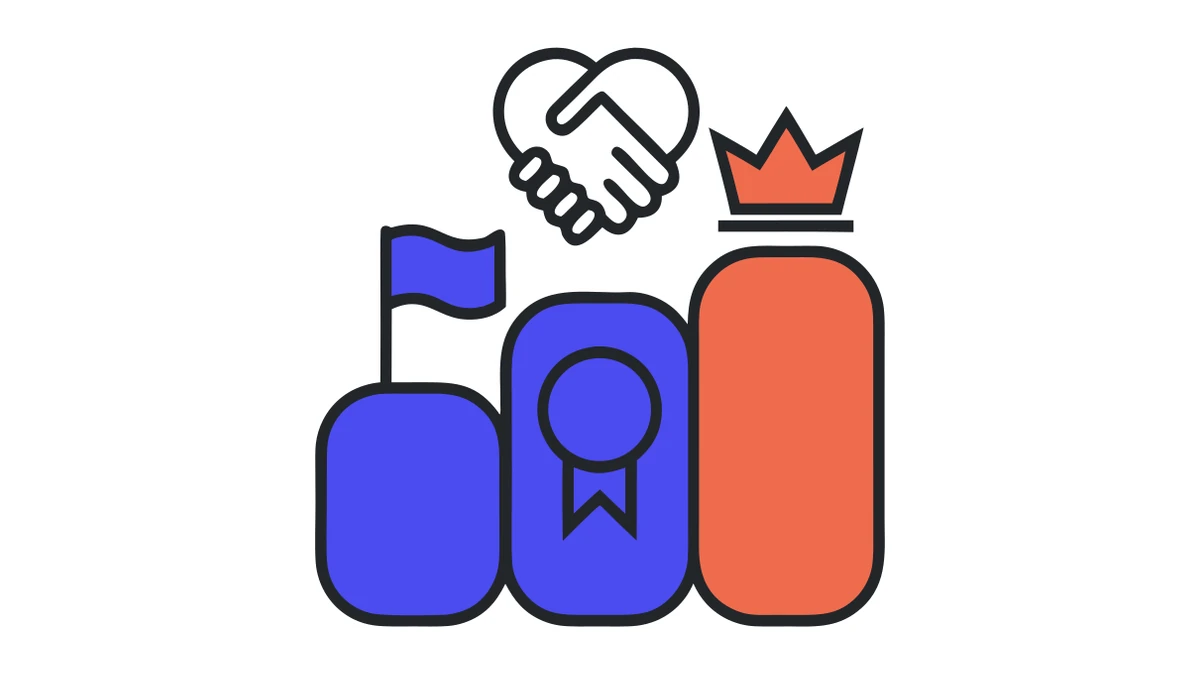
What you can offer in return: Logo placement on posters, flyers, and the website. Mentions during the event (stage, announcements, social media). Exclusive access to special events or VIP areas. On-site product sampling or giveaways. Branding on jerseys or merchandise (for clubs and sports). Sponsors who provide drinks, snacks, or equipment directly reduce your costs without the need for cash sponsorship.
| Sponsorship Type | Deliverables | Typical Budget |
|---|---|---|
|
📣
Basic (Logo + Social Media)
|
Logo placement, mention on posters and flyers | From €100-500 |
|
🎯
Premium (Branding + Activation)
|
Stage branding, jerseys, exclusive on-site activities | €500-5,000 |
|
📦
In-kind Contribution
|
Products instead of cash (drinks, equipment, catering) | Variable |
|
⭐
Exclusive Sponsorship
|
Sole branding within a category | From €1,000 |
The search for suitable sponsors begins with one question: Which companies are interested in your target audience? A club with 200 members in Nuremberg is more attractive to local businesses than to an international corporation. A house party with 80 students appeals to beverage brands and local hospitality providers. A small festival with 300 attendees is the perfect setting for regional companies to place their offerings directly in front of their target group.
Regional companies: SMEs often show more interest in locally visible sponsorship than large corporations. Personal contacts and networks increase the likelihood of finding someone to support your project. Create a structured list of potential sponsors including contact persons, contact details, and their specific interests.
Industry partners: Companies with a direct connection to your event achieve higher activation rates. A beverage manufacturer for a party, a sports equipment manufacturer for a club, a tech provider for a festival. Research relevant information about companies and their sponsorship activities before sending your inquiry.
Projects involving children, culture, and schools are particularly attractive to many companies because they demonstrate social commitment. Sports sponsorship is another strong field: athletes and clubs with local reach often find sponsors more easily than purely party-oriented projects.
Before you approach sponsors, you need a sponsorship proposal. It doesn't have to be an elaborate glossy brochure, but it must clearly answer three things: What is the project? Who are you reaching with it? What does the sponsor get in return?
Project description: What are you planning, when and where will it take place, and how many people do you expect? Clearly define the goal and scope of the project. This includes information about the target audience: age, interests, size. If you have data on social media reach or visitor numbers from previous events, include it.
Sponsorship packages: Offer at least two tiers (Basic and Premium) so the sponsor can make a decision that fits their budget. Define the services and benefits per package in a concrete and measurable way. A basic package with a logo on posters and a social media mention is suitable for budget starts from a few hundred euros. A premium package with stage branding, jerseys, or exclusive activations is for mid-four-figure amounts.
References and credibility: If you have already implemented previous projects, show the results. Photos, figures, media reports. This reduces the perceived risk for the sponsor and makes the decision easier.
Timing: Most companies plan their budgets at the beginning of the year. Those who submit their request in October or November have better chances than in March, when funds have already been allocated. For summer events, the rule is: inquire at least three to six months in advance.
How much sponsorship your event actually needs only becomes clear after doing the math. The guide to event budget planning provides the structure for this.
Channel: An individual email inquiry is the standard approach. Make it personalized, not generic. Write directly to the contact person (marketing, CSR department, or event management), not to the general contact form. If someone in your organization has personal contacts at the company, use that route. A personal conversation following the email significantly increases your chances of success.
Value proposition: In your conversation, focus on the benefits for the company, not on your need for money. How many people from the target group will you reach? What visibility will the sponsor get? What form of activation is possible? Asking targeted questions shows interest and strengthens the relationship.
What convinces sponsors most is on-site visibility. A projection screen displaying the logo during breaks provides significantly more exposure than any printed banner and can be quantified precisely in your proposal. The projectors for sponsor appearances are sorted by lumens.
Digital sponsor search: Platforms like Sponsoo connect companies directly with athletes, clubs, and organizers. You can present your sponsorship offer with all relevant data and reach, and receive inquiries directly from interested companies. Your own website or a blog are also valuable tools for drawing sponsors' attention to your project. In the sports sector, digital options provide efficient networking. Companies can manage their sponsorship activities in a targeted manner via such platforms and reach the right target audience.
Contracts: Put everything in writing. Services, considerations, duration, logo rights, and liability. The contract should clearly regulate who provides which resources and how the investments are used. For non-profit organizations, sponsorship must be structured so that tax-exempt status is not jeopardized. Comply with data protection regulations when exchanging data with sponsors.
Measuring success: Create a follow-up report after the event: reach, visitor numbers, social media figures, and photos with sponsor branding. Regular follow-up reports increase satisfaction and the likelihood that the sponsor will participate in the next project. Long-term partnerships are formed when sponsors see measurable success and the collaboration is based on shared values. The B2B nature of sponsorship means: maintain your contacts even between events.
Are you planning a festival or a rave and need help with the technical side in addition to sponsorship? In our festival preparation guide you will find everything you need to know about camping, gear, and equipment.
How do I find suitable sponsors for my small festival or event?
What benefits do sponsors expect from a partnership?
When is the best time to approach sponsors?
What types of sponsorship packages should I offer?
How can I secure long-term collaboration with sponsors?
Are there digital platforms that help with finding sponsors?
Check event equipment, book in 90 seconds, and choose pickup or delivery. Deposit-free and insured throughout Germany and Austria.

Wir haben dir eine Mail geschickt, bitte bestätige sie um den Rabattcode zu erhalten.