A midnight show lasts five to ten minutes and works in three formats: short film, dance show, or sketch. Longer is rarely better, as the audience's attention drops after the first climax. Here you will find ideas for each format, how to structure the dramaturgy, technical preparation, and legal points.

To organize an unforgettable midnight show for your graduation ball, you should ideally start planning three to six months in advance. The most popular and successful formats include creative short films with funny teacher parodies, elaborate dance shows with LED choreography, or humorous sketches that incorporate the school motto. For a professional performance between 11:30 PM and 12:30 AM, you will need three full dress rehearsals, as well as a high-quality sound system, wireless headset microphones for hands-free stage movement, and official music licensing for all tracks used. In this guide, you will find the best ideas for your class and helpful tips for the technical dress rehearsal.
The grand midnight show marks the emotional and creative highlight of every graduation ball. Sometime late at night, the music fades, the bright hall lights go out, and the entire graduating class takes the stage together. What follows often stays in your guests' memories much longer than anything else that evening. Whether it's a funny short film, a spectacular dance show, or a creative sketch: a perfectly timed performance can completely shift the atmosphere in the room and fill the dance floor for the rest of the night. We provide you with concrete ideas, a detailed planning guide, and practical tips for the final execution. If you are looking for support with the overall organization in addition to your show, you will find everything your committee needs in our comprehensive graduation ball planning guide.
The midnight show marks the emotional turning point of the evening. Up until then, the official part—opening, polonaise, and speeches—takes place. After that, the party begins. In between is the class performance. A well-timed act can completely change the mood in the room and fill the dance floor for the rest of the night.
Personal elements create a sense of connection. When the audience recognizes teachers, understands inside jokes, or remembers shared moments from school, it creates a sense of community that sets the graduation ball apart from any other party. The midnight show is firmly anchored in Austrian ball tradition and is as much a part of the program as the polonaise is to the opening.
The best graduation ball midnight shows combine humor, personal references to the class, and audience interaction. Here are the most popular formats:
Short film: Cinematic stories featuring inside jokes, filmed at school or a creative location. Someone from the class takes the lead role, and the ball's theme provides the visual direction. Short runtimes of 2 to 6 minutes work best. After the ball, the film can be uploaded to YouTube so guests who couldn't attend can still get an impression. Providing it as a download or upload makes the film available long-term. Those with experience in film production can really shine here.
Dance show and choreography: Group or solo dances achieve high visual impact, especially when combined with a lighting concept. A mix of classic dance and modern elements appeals to different age groups in the audience. Costume changes or surprising outfits increase the entertainment value. The dancers' performance is the focus and makes the midnight show an experience.
Comedy, sketch, and teacher performances: Short, lovingly performed sketches with class-specific humor almost always work. Including teachers as surprise guests increases the audience's engagement. Timing and clear punchlines are crucial. A sketch that goes on too long loses the audience. Two to four minutes per scene is a good rule of thumb.
Music shows and live performances: Live performances with a band or solo acts allow for dynamic shifts in mood. Medleys and thematic mashups of well-known songs work well. Transitions between the band, DJ, and playback must be technically planned and tested to ensure the sound is right.
Motto shows and thematic concepts: Themed shows (time travel, Hollywood, world tour) offer clear visual guidelines for costumes, props, and stage design. Multi-part shows with video and live segments enhance the dramatic arc. A creative opening introduces the audience directly to the show concept.
Special effects and light shows: LED accessories and choreographed light displays create strong effects even in large halls. Projections and mapping allow for quick scene changes without an elaborate stage. Pyrotechnics and similar effects must be cleared with the venue early on. Safety comes before elegance.
| Format | Effort | Technical requirements | Effect |
|---|---|---|---|
|
🎬
Short film
|
High (filming + editing)
|
Projector
Sound
|
Surprise
Nostalgia
|
|
💃
Dance Show
|
Medium to high (rehearsals)
|
Lighting
Music
|
Visually striking
Emotional
|
|
🎭
Sketch / Comedy
|
Low to medium
|
Microphones
|
Laughter
Sense of community
|
|
🎤
Music Show / Live
|
Medium
|
PA system
Lighting
|
Atmosphere
Energy
|
|
✨
Theme Show (combination)
|
High
|
Everything
|
Maximum impact
|
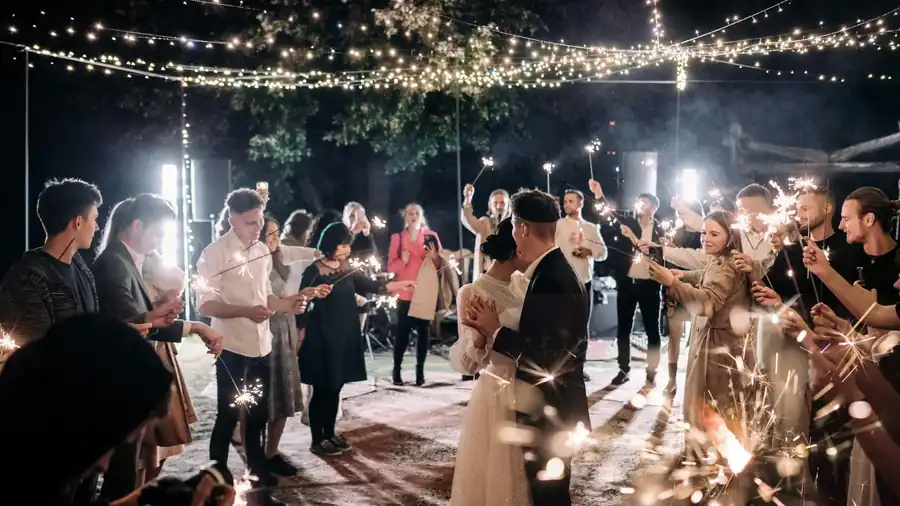
A successful midnight performance thrives on a story that captivates the audience. Use the graduation ball's theme as a common thread and take a trip down memory lane. Inside jokes, classic classroom catchphrases, or unforgettable moments with teachers and classmates will have the room laughing and create nostalgic moments.
The dramaturgy should be clearly structured: an exciting beginning that grabs attention, a middle section that alternates between humor, dance, and emotional scenes, and a finale that remains memorable as the highlight—perhaps a group dance, a performance featuring the entire class, or a surprising fireworks display of effects. The polonaise can be integrated into the story as an atmospheric moment.
Dialogue and scripts should sound casual and authentic. Keep them short and punchy rather than long and wordy. A good mix of comedy, action, and personal scenes keeps the rhythm going. Assign roles clearly: who speaks, who dances, who stands where. The more clearly everyone knows their task, the more confident the show will appear.
The eyes are part of the celebration. A stage set based on the theme immediately creates the right atmosphere. Costumes emphasize the roles and stay in the guests' memories. Props such as accessories, symbolic items, or oversized objects add variety to the scenes and make the production feel authentic.
If you're hitting limits with creativity and budget, remember: less is often more. A consistent color scheme and a few well-chosen elements are more impactful than a cluttered stage design. Ensure that all visual elements are clearly visible even from the back rows.
Timeline: Start planning your midnight show three to six months before the graduation ball. Finalize the concept, assign responsibilities, and get technical quotes. Four to six weeks before: Organize costumes, props, and any filming locations. Clarify music rights (AKM in Austria). One to two weeks before: Intensify rehearsals and coordinate technical details with the venue.
Rehearsals: At least three full run-throughs are mandatory: partial rehearsals for individual scenes, a dress rehearsal with costumes, and a technical rehearsal with sound, lighting, and projectors at the venue. Rehearsing at the actual location reduces surprises on the night. Clear cue systems or walkie-talkies make communication between the stage and the tech team much easier.
Technology: The main cost drivers are equipment rental (PA system, lighting, projectors), professional technicians, costumes, and any performance fees. DIY solutions reduce costs but increase the planning workload. For sketches and speeches where you need your hands free, headset microphones are the best choice. Budget calculations should include a buffer for extra technical hours. If you don't want to buy the equipment, you can rent PA systems, lighting, and microphones from specialized providers.
The night of the event: Timing the show between 11:30 PM and 12:30 AM maximizes attention and audience size. Plan precise entrances and exits, changeover times, and breaks for technical adjustments. Backstage coordination with those responsible for costumes, props, and quick changes is essential. Run-of-show schedules should include contingency plans for technical failures or delays.
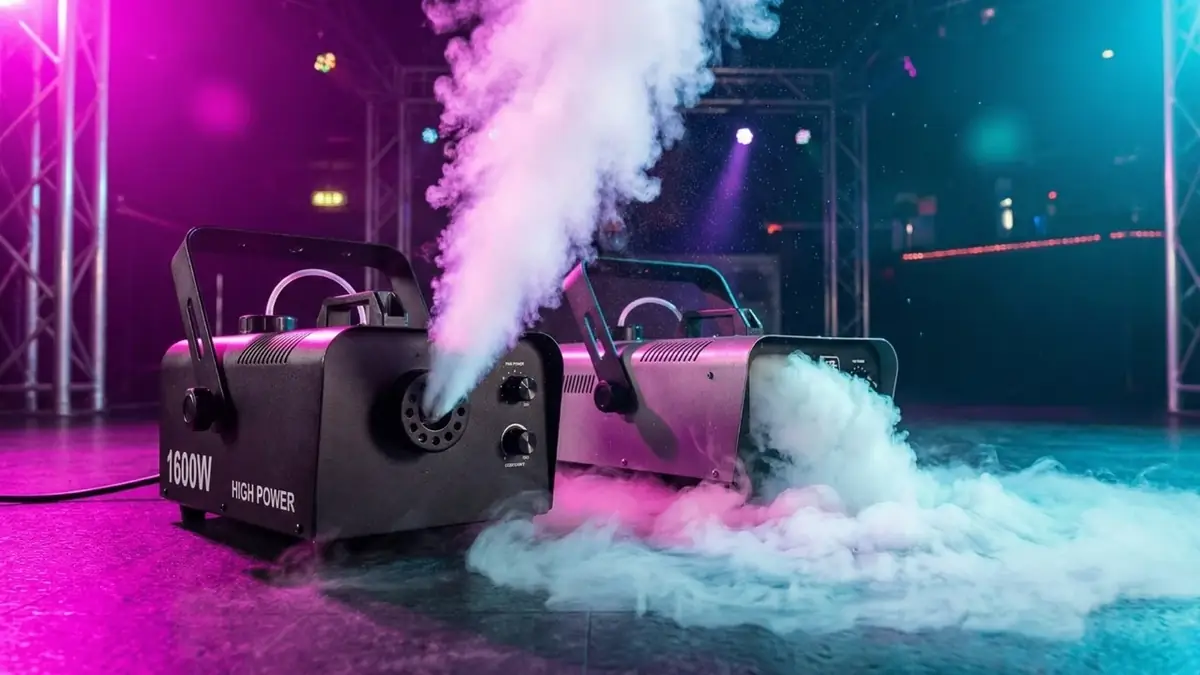
One effect elevates almost any performance: low-lying fog makes light beams visible and makes even a simple choreography look grander. The lead time is important, as the machine needs a few minutes to reach operating temperature. This is exactly where fog machines and low-lying fog machines differ.
For sketches and hosting, sound quality determines the impact: if the audience can't hear it, the punchline is lost. Headsets leave both hands free and won't slip during movement, while handheld microphones are sufficient for fixed speaking positions. Check out our overview of stage wireless microphones to see which type suits your performance.
Music usage rights must be cleared before the performance. In Austria, AKM is the responsible collecting society. Feel free to read all the details in our article on AKM to ensure you're on the safe side.
Obtain consent forms from all participants for videos and their publication (e.g., on YouTube or social media). Fire safety regulations and emergency exits must be strictly observed when setting up stages and effects. Clarify all safety questions with the venue early on.
If you're still looking for the right idea, here are three formats that regularly generate excitement at graduation balls: A short film with a live continuation on stage creates a surprise effect the audience won't expect. LED choreographies combined with classical dance create a modern, photogenic look. Theme shows like "around the world" or "legend medleys" provide varied program segments that have something for every age group.
Document the midnight show on video. This preserves the memory and gives you material for social media. And the most important tip: Have fun on stage. If the class is having fun, it will spread to the entire room.
Are you planning the entire graduation ball and need help with budget, venue, and technology in addition to the show? You'll find everything your committee needs in our graduation ball planning guide.
What is the main purpose of a midnight show and when should it take place?
Which creative ideas and formats are best suited for the show?
How do you build a compelling story and the right dramaturgy?
How much time should be set aside for rehearsals and technical preparation?
What hidden costs and legal aspects do we need to consider?
Is there a rough schedule we can use as a guide?
Check event equipment, book in 90 seconds, and choose pickup or delivery. Deposit-free and insured throughout Germany and Austria.

Wir haben dir eine Mail geschickt, bitte bestätige sie um den Rabattcode zu erhalten.